
We live in a world where digital transformation is not optional. Every business - large or small - relies on a stack of devices, servers, drives, and networked systems to stay productive and competitive. But what happens when those devices reach the end of their life?
That’s the question we explored in a recent Barracuda Networks article, where I highlighted the dangers of outdated or sloppy e-waste disposal practices. The takeaway was clear: poor IT disposal doesn’t just create environmental problems - it creates real, immediate business risks.
At The Compliance Companion, we help organisations put in place ISO management systems that embed good practice into day-to-day business. But the truth is, e-waste is often the forgotten corner of compliance - and it’s time that changed.
Why E-Waste Disposal Deserves a Place in Your Risk Register
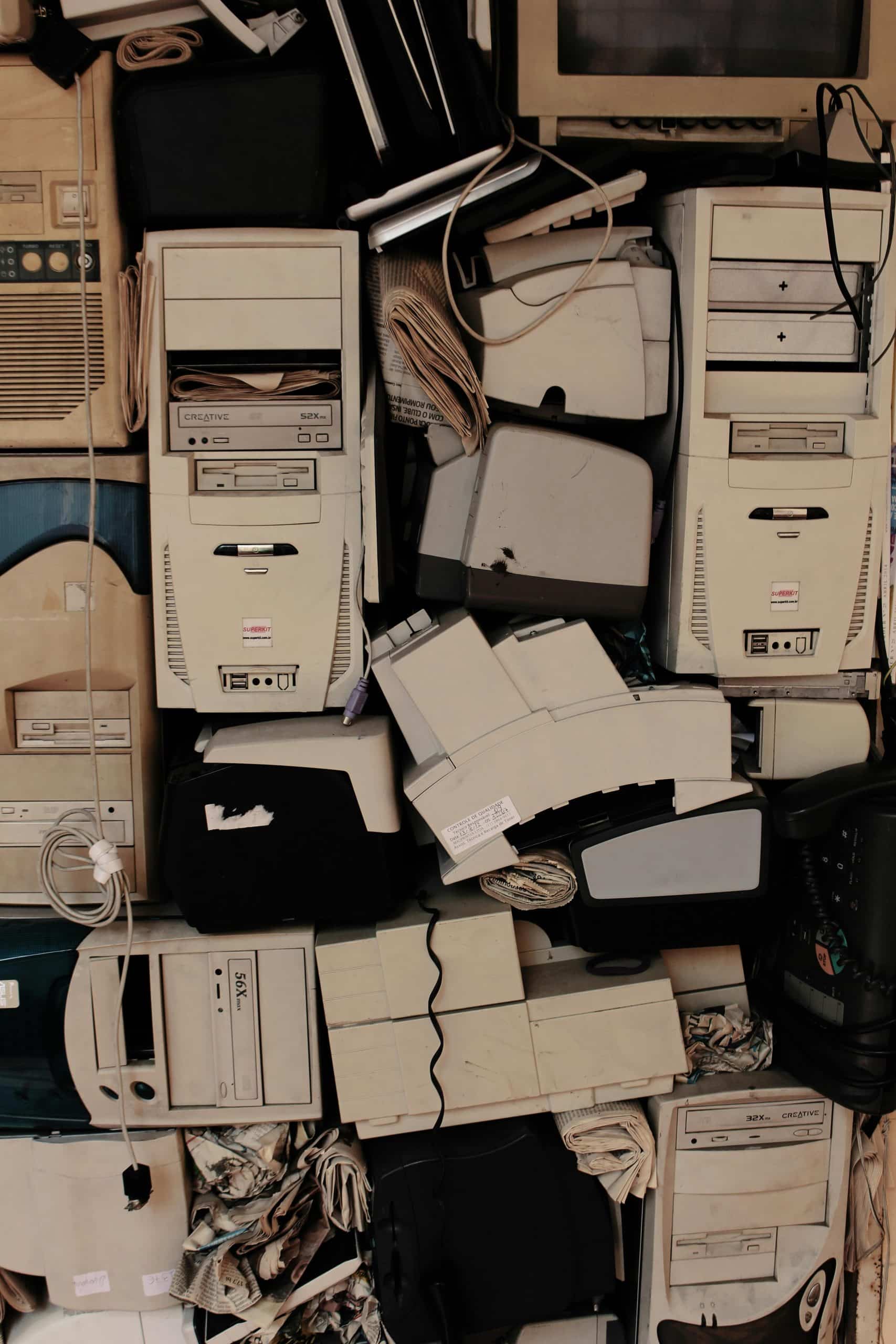
Old laptops, mobile phones, printers, USB drives, and hard disks don’t just disappear. When businesses fail to dispose of these assets correctly, the consequences can be severe:
-
Residual data risk: Even "wiped" devices may contain recoverable sensitive data. That’s a compliance issue under ISO 27001 and a legal one under GDPR.
-
Reputational damage: A breach caused by a forgotten device in a skip will look just as bad as one from a network attack - and may be even harder to defend.
-
Environmental liability: Improper disposal can lead to regulatory scrutiny under environmental regulations, particularly for those working towards or maintaining ISO 14001 certification.
Businesses often assume e-waste is "IT’s job," but as I said in the Barracuda article, “it’s everyone’s job.” From facilities and procurement to finance and HR, every department generates or manages digital devices that one day become e-waste.
Building E-Waste Management Into Your ISO System
Whether you're working towards ISO 27001, ISO 14001, or simply want to tighten up risk management, e-waste fits naturally into your framework.
Here’s how:
1. ISO 27001: Addressing E-Waste in Asset and Information Security
ISO 27001 calls for a documented and risk-based approach to asset disposal. Control 8.10 (Information deletion) and 8.11 (Data masking or destruction) are especially relevant. You must ensure:
-
Secure erasure or destruction of data
-
Formal disposal procedures for IT assets
-
Contracts with certified destruction providers
It’s not just best practice - it’s an expectation.
2. ISO 14001: Environmental Impact of IT Equipment
Disposing of e-waste responsibly is not only good environmental stewardship, it’s required under ISO 14001’s environmental aspects evaluation. Waste electrical and electronic equipment (WEEE) regulations also require businesses to handle e-waste via licensed providers.
Document:
-
The environmental impact of electronics disposal
-
Reduction targets (e.g. extending lifecycle of devices)
-
Recycling and circular economy initiatives
The Human Risk: It’s About Culture, Not Just Checklists
What I see time and again is that e-waste risk isn’t just about process gaps - it’s about awareness gaps. Businesses don’t fail to dispose of assets securely because they don’t care. They fail because no one made it their job to think about the USB stick in the drawer or the old server stacked behind the filing cabinet.
This is why embedding e-waste awareness into staff inductions, exit processes, and internal audits is vital. If someone leaves and takes a company laptop with them - intentionally or not - that’s a data breach waiting to happen.
How The Compliance Companion Can Help
If you’re struggling to pull all of this together, that’s exactly where The Compliance Companion comes in. We provide practical, ready-made ISO templates and AI-powered guidance for:
-
Asset registers and classification
-
Disposal procedures
-
Environmental impact reviews
-
Supplier due diligence (for IT disposal providers)
-
Internal audit checklists
Whether you’re building a new management system or reviewing an existing one, we help you put structure around the bits of compliance that often fall through the cracks.
Final Thoughts
E-waste isn’t glamorous. It’s not a “shiny” project. But it’s where real risk lives - hidden in drawers, cupboards, skips, and supply chains.
If your business wants to stay secure, compliant, and environmentally responsible, start asking the questions no one’s asking:
-
Where are our retired assets stored right now?
-
Who’s responsible for disposing of them?
-
How do we know they’ve been properly wiped or destroyed?
When you know the answers, you’ll already be ahead of most. And if you need help putting that knowledge into action, The Compliance Companion is here to help you do it - quickly, confidently, and without wasting time.
If you would like to look at how to implement an ISO 27001 information security management system, then simply contact us.
Or, if you want to see what’s involved in more detail, then get a completely free, no obligation, totally tailored ISO Gap Analysis for your business (only available to UK businesses).